

How Sensory Design Shapes Memorable Splash Pad Experiences
Great splash pads do more than spray water. They invite exploration, spark curiosity, encourage movement, and bring communities together through immersive play experiences. From racing through sprays and anticipating the thrilling splash of a dumping bucket to feeling water cascade across the skin, every interaction engages the senses in ways that make aquatic play unforgettable.
Children may not consciously think about how their sight, touch, balance, or sense of movement are being engaged as they play, but they experience these sensations simultaneously. At Waterplay, we've found that the best splash pad designs begin with understanding how people experience play. When designers intentionally consider how visitors engage with a splash pad through multiple senses, they create aquatic play environments that feel less like collections of spray features and more like immersive play experiences that welcome visitors of all ages.
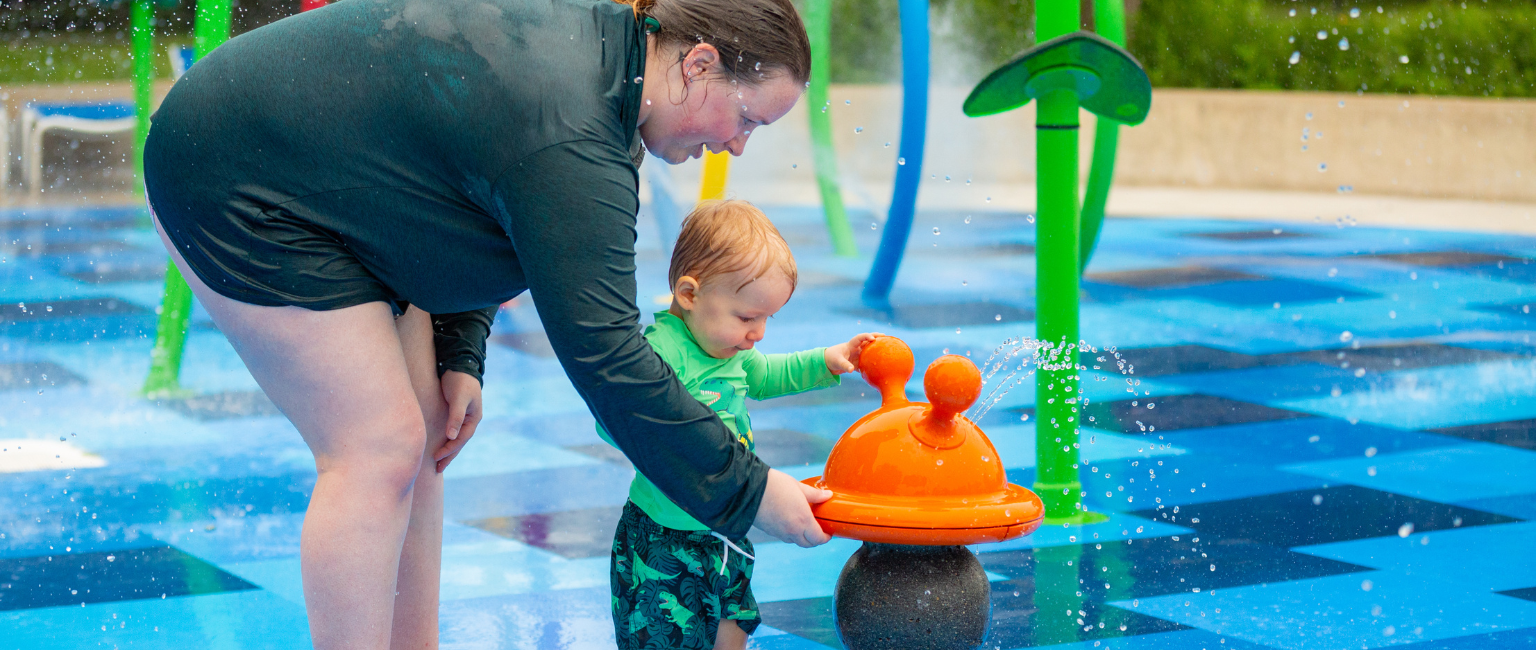
Why sensory design matters
Sensory play is more than a developmental benefit. It helps children explore their environment, build confidence, and interact with the world around them in ways that feel comfortable and meaningful. By offering a variety of play experiences, sensory-informed splash pads allow both sensory-seeking and sensory-sensitive children to engage in ways that support self-regulation, comfort, and independent exploration.
Few play environments engage as many of the senses simultaneously as water. Few play environments ask the senses to work harder than water. It splashes, surprises, cools, challenges, and rewards curiosity with every interaction. Unlike traditional playgrounds, water is constantly changing. Every spray pattern, shifting water temperature, unexpected splash, and interactive response creates a dynamic environment that invites children to explore, adapt, and discover something new with every visit. This ever-changing experience is what makes aquatic play uniquely suited to sensory-rich design.
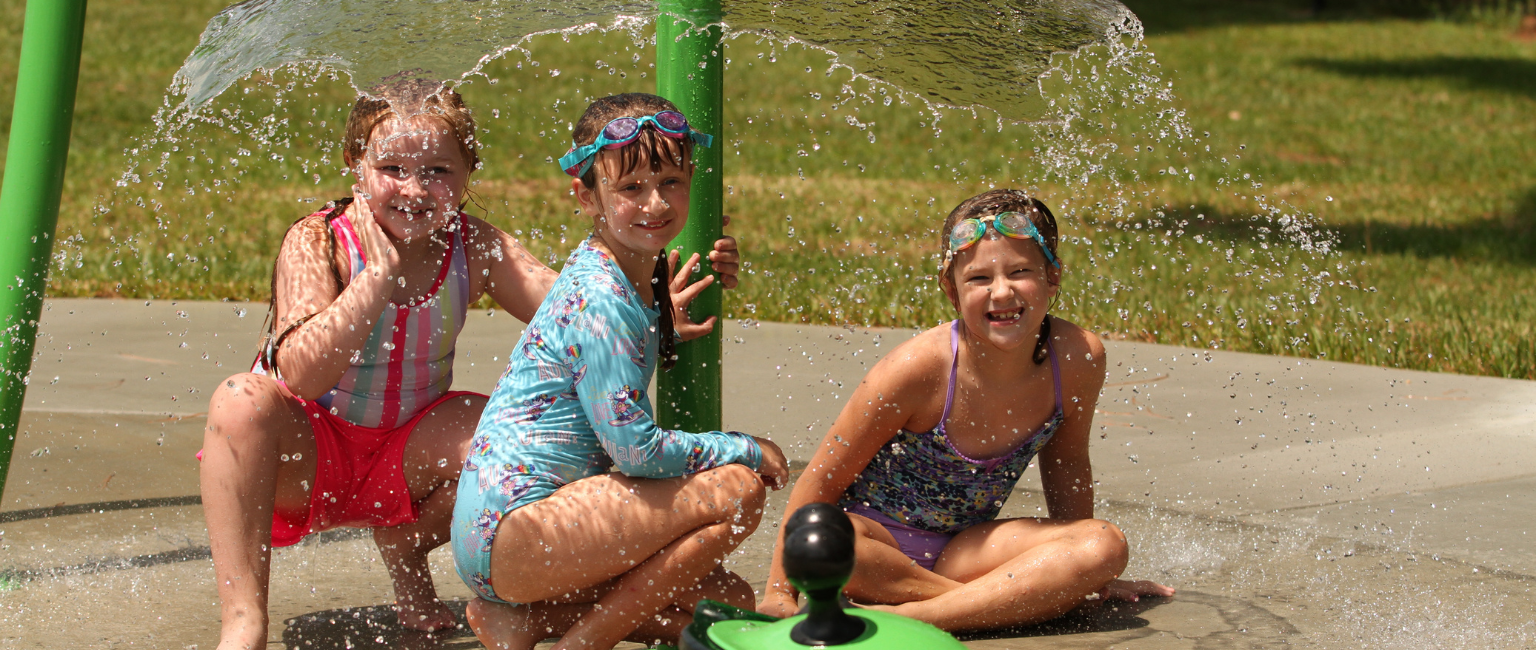
Designing better splash pads through experience
A splash pad packed with features isn't automatically a great play experience. The best splash pads are designed around how people move, explore, and connect.
Instead of starting with a checklist of products, begin by thinking about how people will move through the space and what they will see, hear, feel, and discover along the way. This broader perspective allows designers to layer different types of play together, creating opportunities for curiosity, exploration, and interaction rather than simply filling the space with individual features.
Variation throughout the splash pad creates moments of discovery and surprise while ensuring there are engaging experiences for everyone, from children seeking high-energy excitement to those who prefer gentler, lower-intensity play. Thoughtfully balancing these experiences encourages visitors to explore the entire splash pad at their own pace and comfort level.
When the overall experience guides the design process, every design decision, from feature selection and layout to activators and surrounding amenities, works together to maximize play value and create a destination families want to visit again and again.
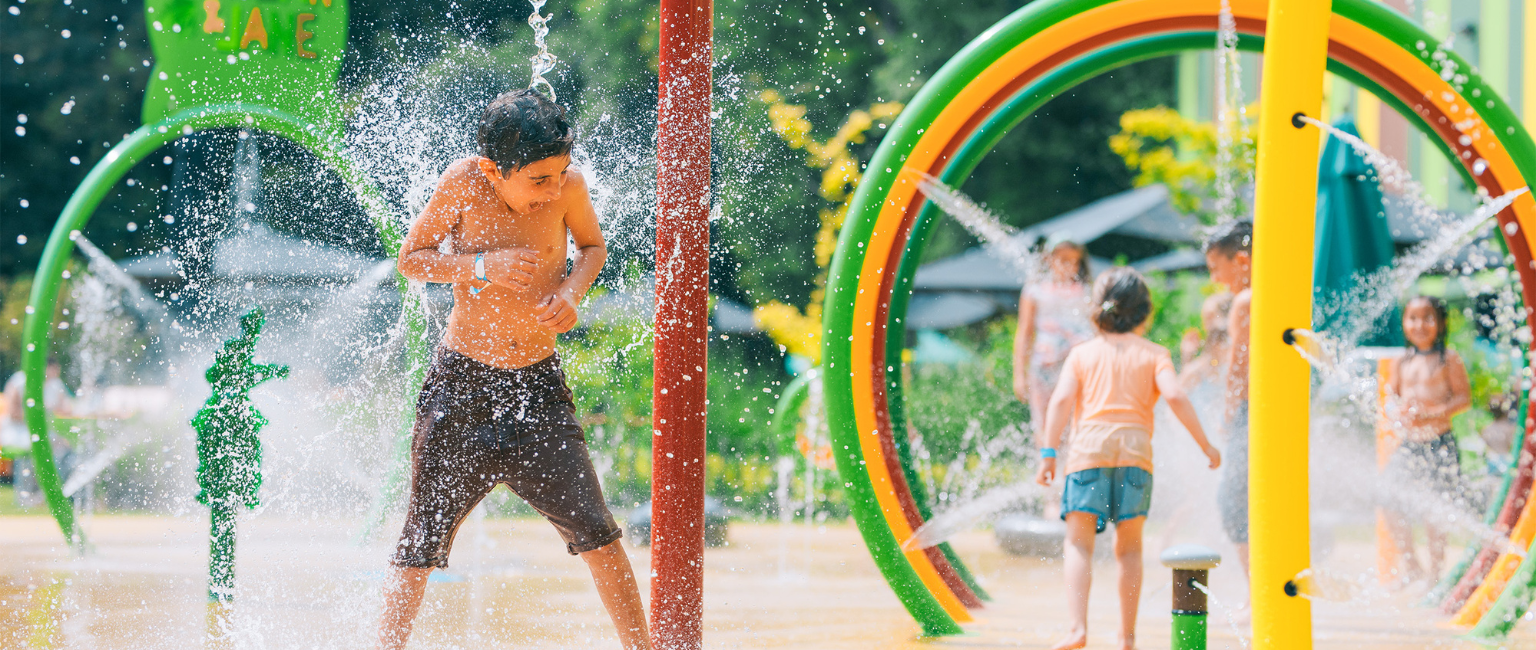
Applying sensory design to splash pad design
Great splash pad design isn't accidental. It comes from making intentional decisions about how people move through the space, how different play experiences connect, and how interactions with each feature contribute to the overall journey.
Layout shapes every splash pad experience. Separating energetic, high-impact play from quieter, lower-stimulation experiences helps visitors navigate the splash pad comfortably and find opportunities that suit their individual preferences.
Waterplay's Play Zones provide a practical framework for achieving this balance. By organizing the splash pad into Development & Discovery, Exploration, and Adventure zones, designers can match different play intensities to different areas of the space. High-energy features such as the Mega Soaker and Sky Soaker can anchor Adventure zones, while interactive features like Waterfall 3 and Fun-Brella support gentler, exploratory play in Development & Discovery areas.
This experience-first approach shapes every Waterplay splash pad, helping communities create spaces that reflect their identity while welcoming visitors with diverse interests, abilities, and sensory needs.
Activators tied to splash pad features add another layer of engagement by giving children control over the flow of water. These cause-and-effect interactions encourage experimentation, while sequencing can trigger specific features or sections of the splash pad at a time to build anticipation and reward discovery.
Sensory-informed design also extends beyond the water. Seating, shade, sightlines, and quieter gathering areas influence how visitors experience the space before, during, and after play. Comfortable seating supports parents and caregivers, while shaded areas and spaces away from the main action give children opportunities to rest, regulate, and recharge.
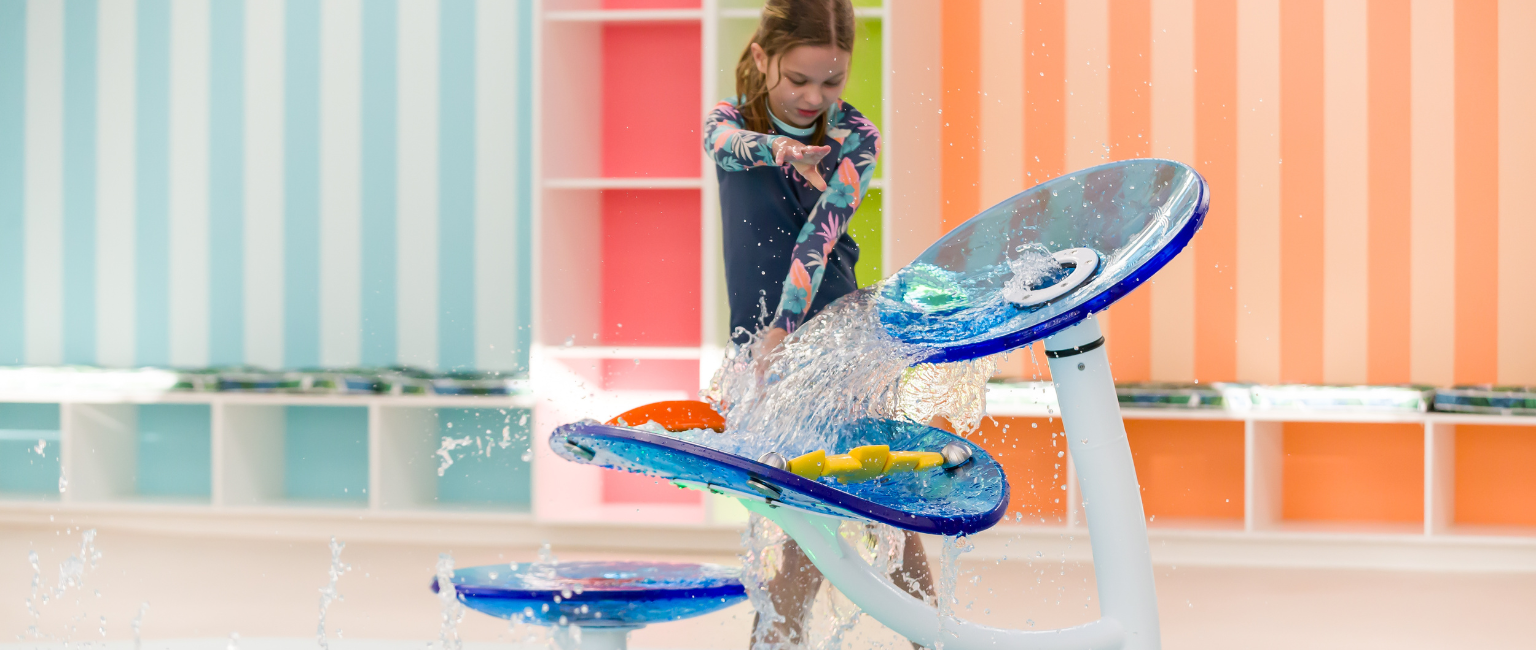
Inclusive splash pad design begins with choice
Choice is one of the most powerful design tools for creating inclusive play.
The 7 Principles of Universal Design remind designers that public spaces should be usable by the widest possible range of people. When these principles are combined with sensory-informed design, splash pads naturally offer a wider variety of ways to play, interact, and explore.
Rather than expecting every child to engage with the splash pad in the same way, inclusive design provides multiple pathways into play. Some children may gravitate toward towering overhead features and energetic water effects, while others may prefer gentle sprays, interactive activators, or quieter spaces where they can engage at their own pace.
Providing a variety of play experiences gives children the freedom to choose what feels right for them, supporting confidence, independence, creativity, and safe risk-taking while helping every visitor feel welcome.
When people of different ages, abilities, and comfort levels can all find meaningful ways to engage, splash pads become more than public amenities. They become community destinations that deliver lasting value for the people they serve.
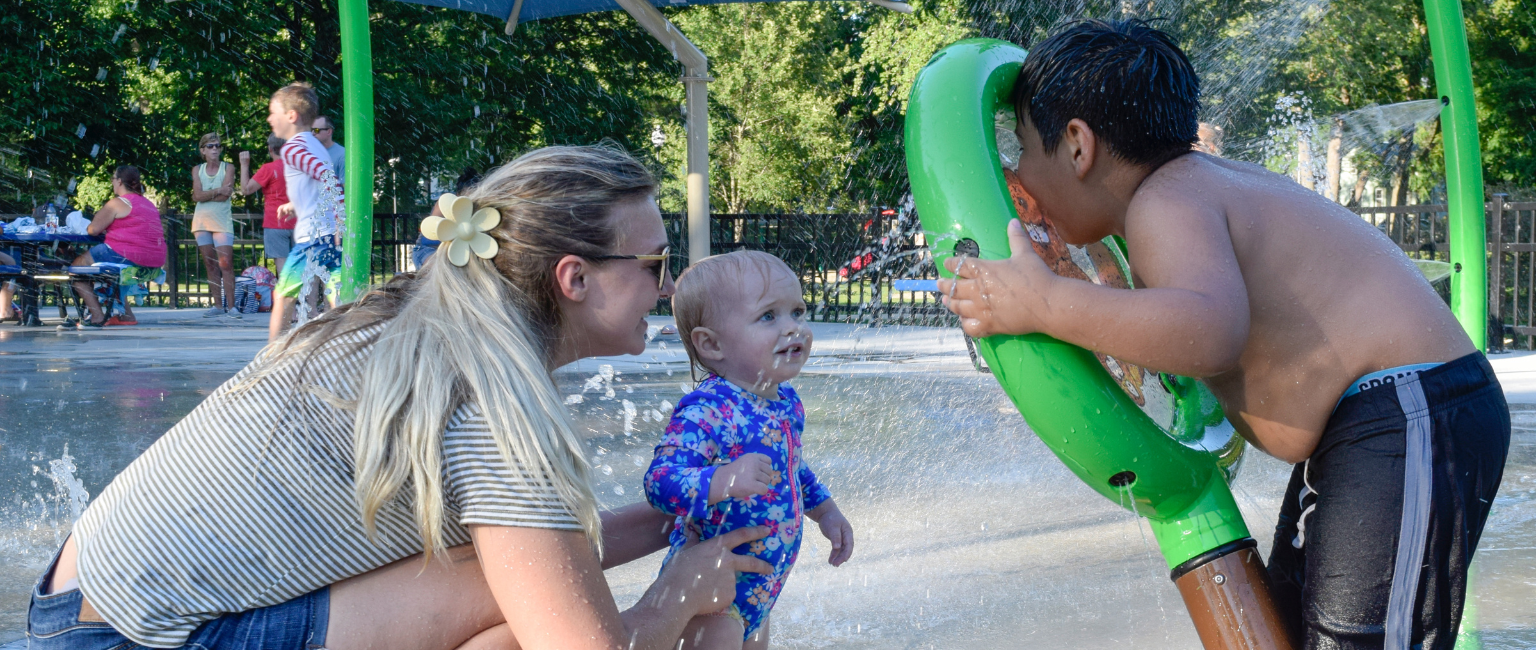
The best splash pad designs engage every sense
The most memorable splash pads aren't defined by the number of features they include. They're remembered because of how they make people feel. They spark curiosity, encourage confidence, invite exploration, and create moments families remember long after they've gone home.
Children remember the anticipation of waiting beneath a tipping bucket, the excitement of discovering an unexpected spray, the confidence that comes from trying something new, and the laughter they share as they explore together. Those moments engage multiple sensory systems at once, creating memories that last long after the water has stopped flowing.
Thoughtful sensory design transforms splash pads from collections of spray features into immersive aquatic play environments that reflect the communities they serve. When every design decision is guided by how people move, interact, discover, and connect, the result isn't just a better splash pad. It's a place that creates lasting memories.
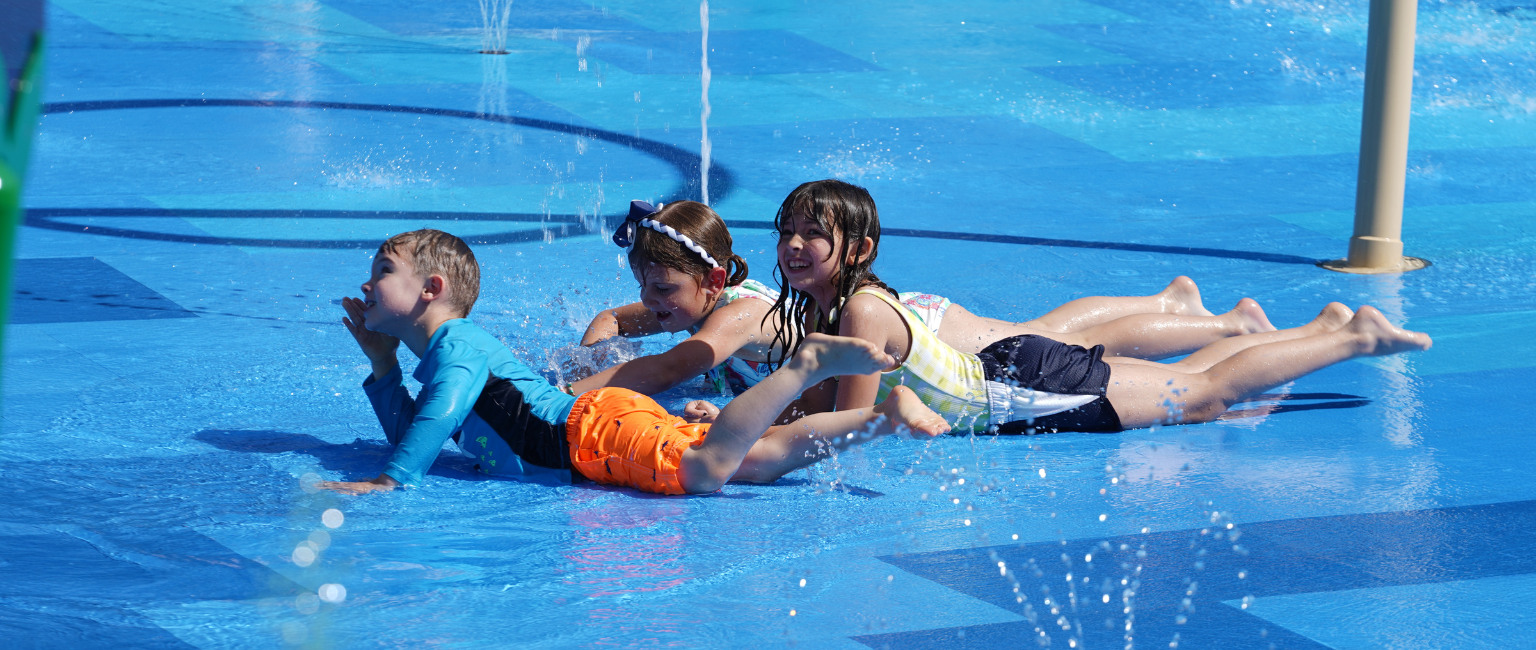
Continue exploring the science of sensory play
Waterplay's The Science of Sensory Experiences in Aquatic Play Continuing Education Unit (CEU) explores how thoughtful sensory design can transform splash pads into richer, more inclusive aquatic play environments. Participants gain practical, evidence-based strategies rooted in decades of splash pad design expertise.
Waterplay's LA/CES-accredited CEUs are free to attend, available virtually or in person, and explore sensory design, splash pad design best practices, aquatic play theory, inclusive aquatic placemaking, and more.