
The Future of Splash Pads: Trends to Watch for in 2026 and Beyond
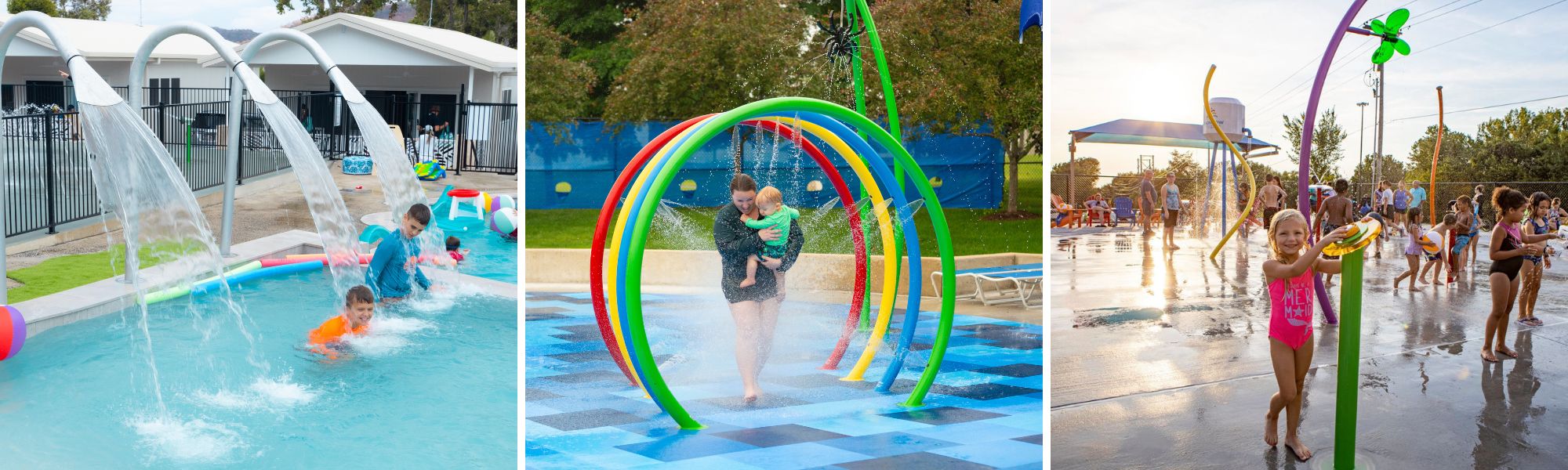
As communities look ahead to their 2026 projects, municipalities and designers are zeroing in on what the next generation of splash pads should deliver. The demand for accessible, sustainable, inclusive, and purpose-driven play spaces is growing, and aquatic play is at the forefront of that momentum.
Whether you’re sketching your first concept or watching your build come to life, staying ahead of aquatic play trends ensures you create spaces that entice, excite, and keep people coming back. Waterplay has gathered the top 2026 splash pad trends poised to shape the next wave of aquatic design.
Cooling and Misting Hubs
Heat is becoming one of the most pressing urban challenges, and communities are searching for cooling strategies that are functional and fun. Splash pads are stepping up, not only as play destinations, but also as essential cooling hubs that deliver relief from scorching temperatures for all ages and abilities.
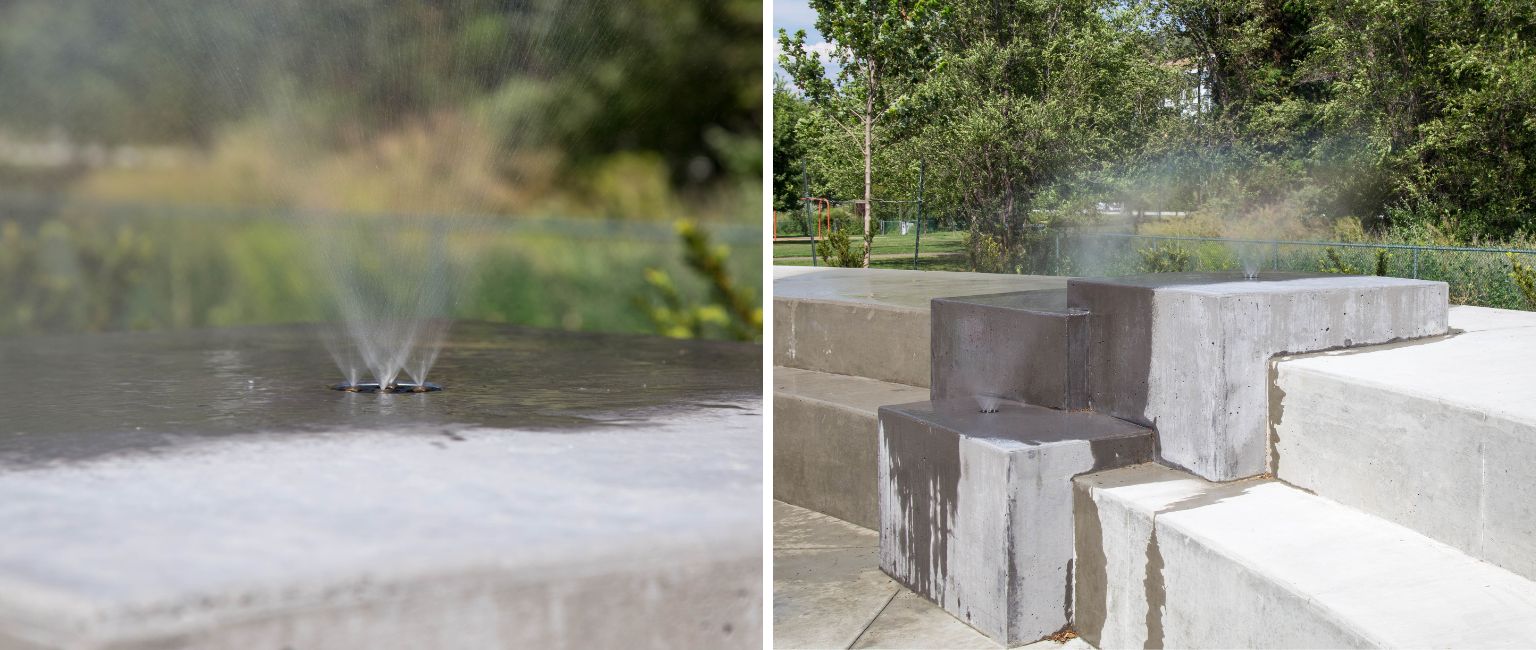
Cooling stations, once considered a perk, are now viewed as critical urban infrastructure. Misting features offer a low-flow solution that reduces ambient temperatures and draws people outdoors, even on the hottest days. They work beautifully in plazas, transit corridors, waterfronts, and other high-traffic community hubs, especially when they complement existing architecture instead of competing with it.
Waterplay’s misting nozzles, like the Mister Mister, integrate seamlessly into rockwork, engineered seating, sculptural elements, or splash pad designs. This lets municipalities layer cooling effects into spaces that traditionally felt too hot or too exposed. Beyond comfort, misting hubs invite visitors to linger longer, connect with their environment, and build stronger community ties.
Wellness Zones
Around the world, municipalities are embracing wellness-focused aquatic design. Wellness zones are intentionally designed to support both mental and physical wellbeing. They combine gentle water effects, like Restorative Sprays, with curated landscaping, ambient lighting, shade structures, and comfortable seating to create soothing environments that invite people to slow down. Soft sprays, restorative ribbons of water, and rhythmic flow patterns can help reduce stress, support circulation, and promote relaxation.
These zones complement the high-energy nature of splash pads by offering a gentle counterbalance. They create inclusive opportunities for seniors, caregivers, neurodiverse users, and anyone who prefers a gentler pace of engagement. They also extend the hours and seasons that aquatic spaces can be enjoyed.
Wellness zones extend beyond splash pads too. They are appearing in plazas, community centres, hospital gardens, senior living developments, and urban renewal projects with one clear message: aquatic design has the power to support wellness, not just play.
Sustainability and Water-Conscious Design
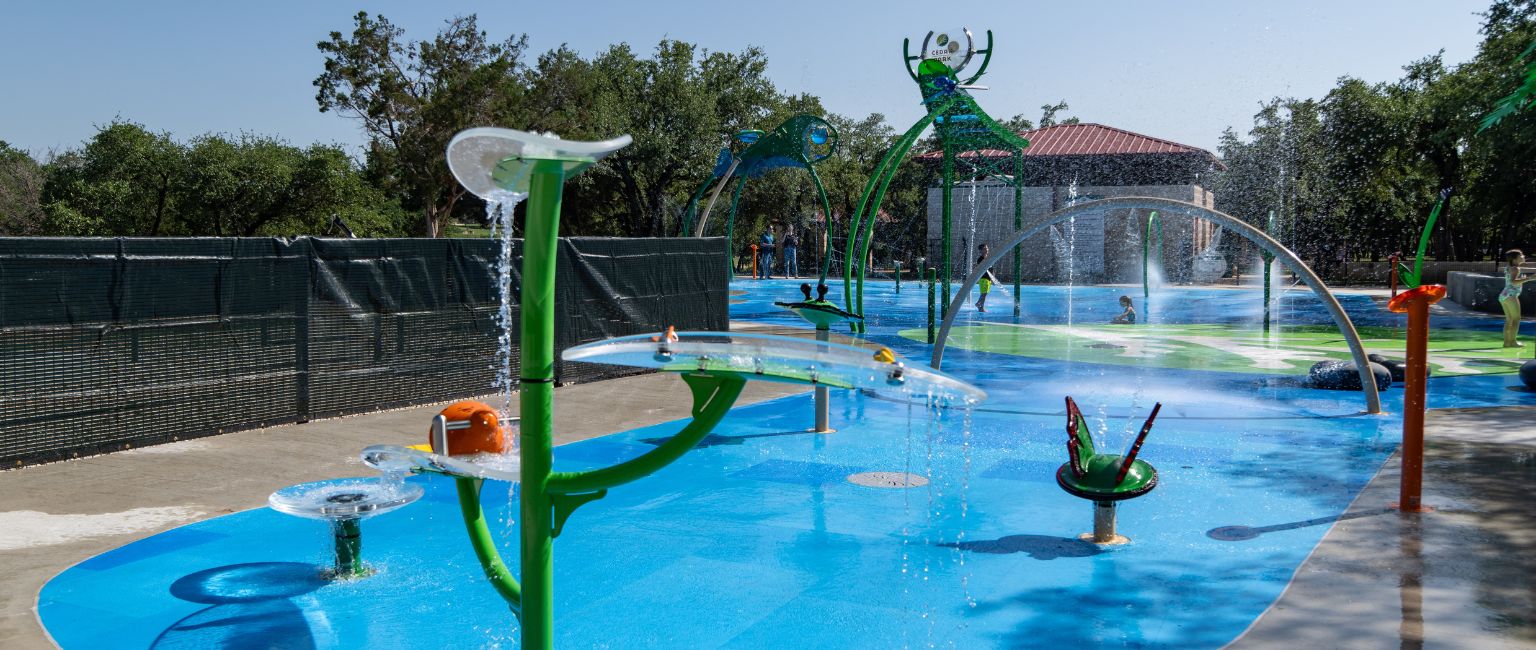
Sustainability remains a major priority in splash pad design, and communities are looking for ways to deliver big play value with smart water use. Recirculation water treatment systems lead the charge by collecting, filtering, treating, and returning water to the pad, which significantly reduces overall consumption.
Efficient layouts also make a difference. Designers are paying close attention to splash radius, feature placement, and drainage to keep water on the pad where it can be reused. Sequencing adds another layer of water savings. By using activators, like a Power Post, and timed play cycles, high-flow features run only when users engage with them. This creates dynamic bursts of play without wasting water during quieter times.
With pocket parks emerging throughout urban communities, smaller splash pad formats are helping shift the focus toward cooling and equitable play. These compact designs maximize fun within a minimal footprint and support responsible water use. Water-smart thinking is no longer a niche approach. It is becoming the new standard for sustainable aquatic play.
Multi-Generational Splash Zones
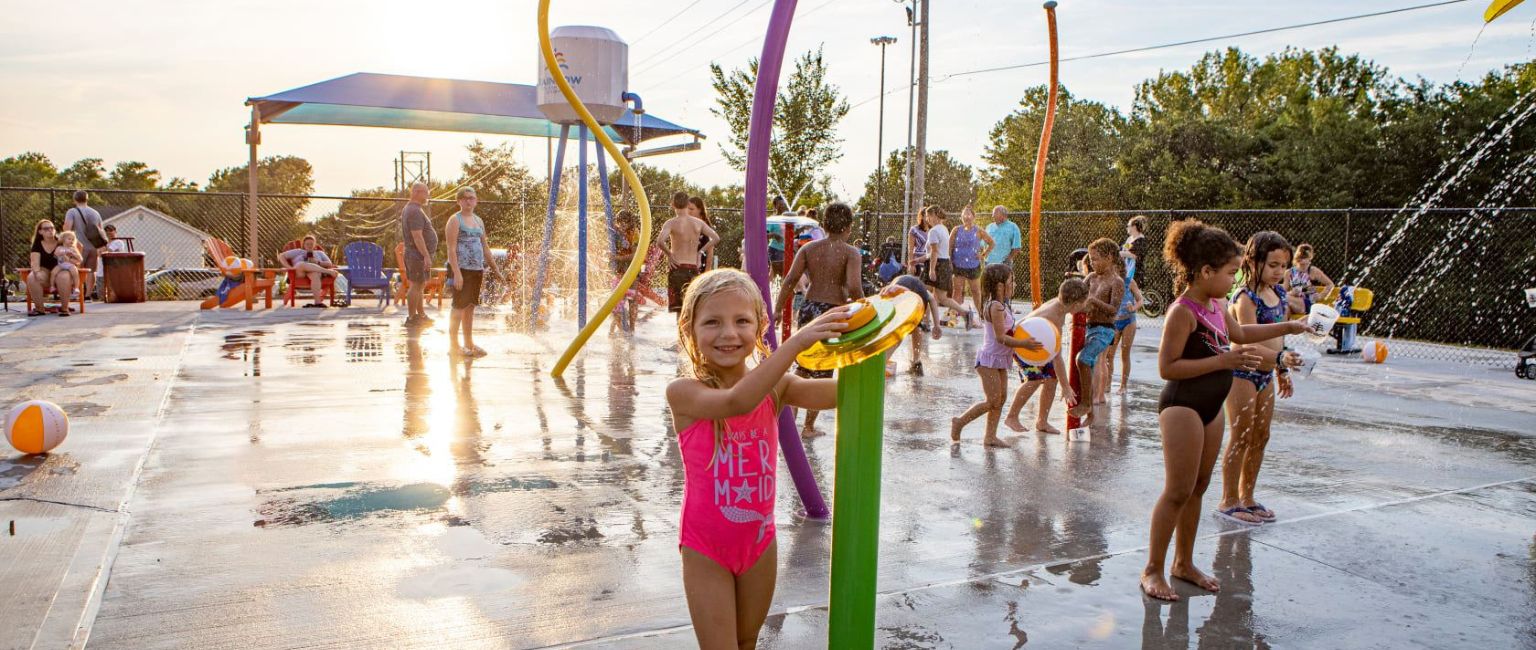
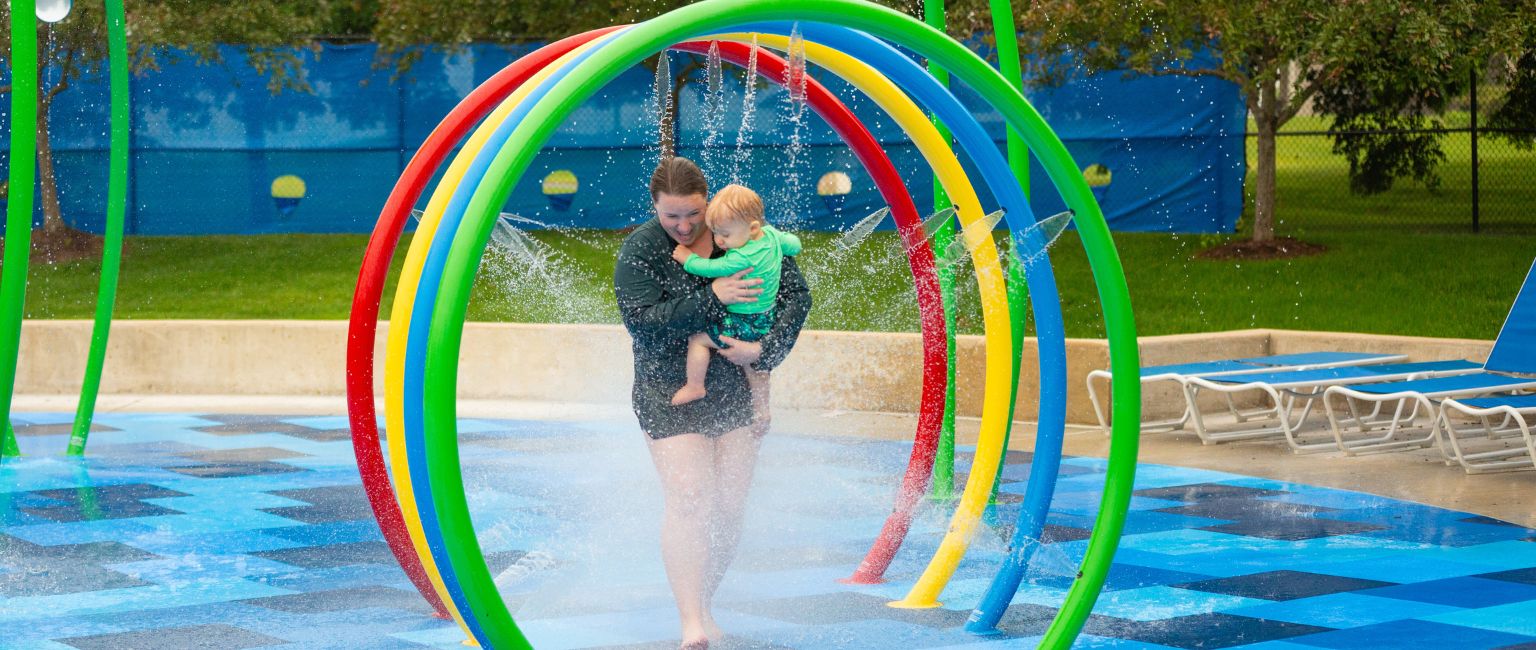
As communities look for ways to bring people together, splash pads are evolving into true multi-generational spaces. They are no longer just ‘kid’ zones; they are family gathering spaces, social destinations, and outdoor living rooms that welcome everyone.
More municipalities are prioritizing comfortable seating, integrated shade, clear sightlines, and accessible pathways to support visitors who want to participate but may not want to get fully soaked. The best splash pads offer a wide range of experiences, from gentle sprays for toddlers, to high-energy features for adventurous teens, to dry zones where caregivers, grandparents, and community members can relax while staying connected to the action.
Design that acknowledges everyone builds stronger community bonds. It invites families to stay longer, encourages repeat visits, and transforms splash pads into beloved local destinations that can be loved by all.
Revitalize and Reimagine
Revitalization continues to be one of the most exciting movements in public space design. Instead of building new facilities from scratch, municipalities are creatively upgrading outdated infrastructure, breathing new life into forgotten corners of parks and neighbourhoods.
One of the most popular approaches is converting old wading pools and underused aquatic facilities into modern splash pads. It is not just a facelift; it's a strategic shift that prioritizes accessibility, inclusivity, and financial sustainability. Splash pads offer strong community value without the barriers associated with traditional pools.
- They are typically free to access
- They are more inclusive because of their zero-depth design
- They require fewer staff and operational resources
This means more communities can offer water play without the significant ongoing costs of maintaining a pool.
Revitalization projects transform underused areas into vibrant destinations that attract families, teens, seniors, and visitors of all abilities. They reconnect people with parks, support neighbourhood revitalization, and create long-term value for residents. Revitalizing a space is more than a design choice. It is a powerful investment in community wellbeing.
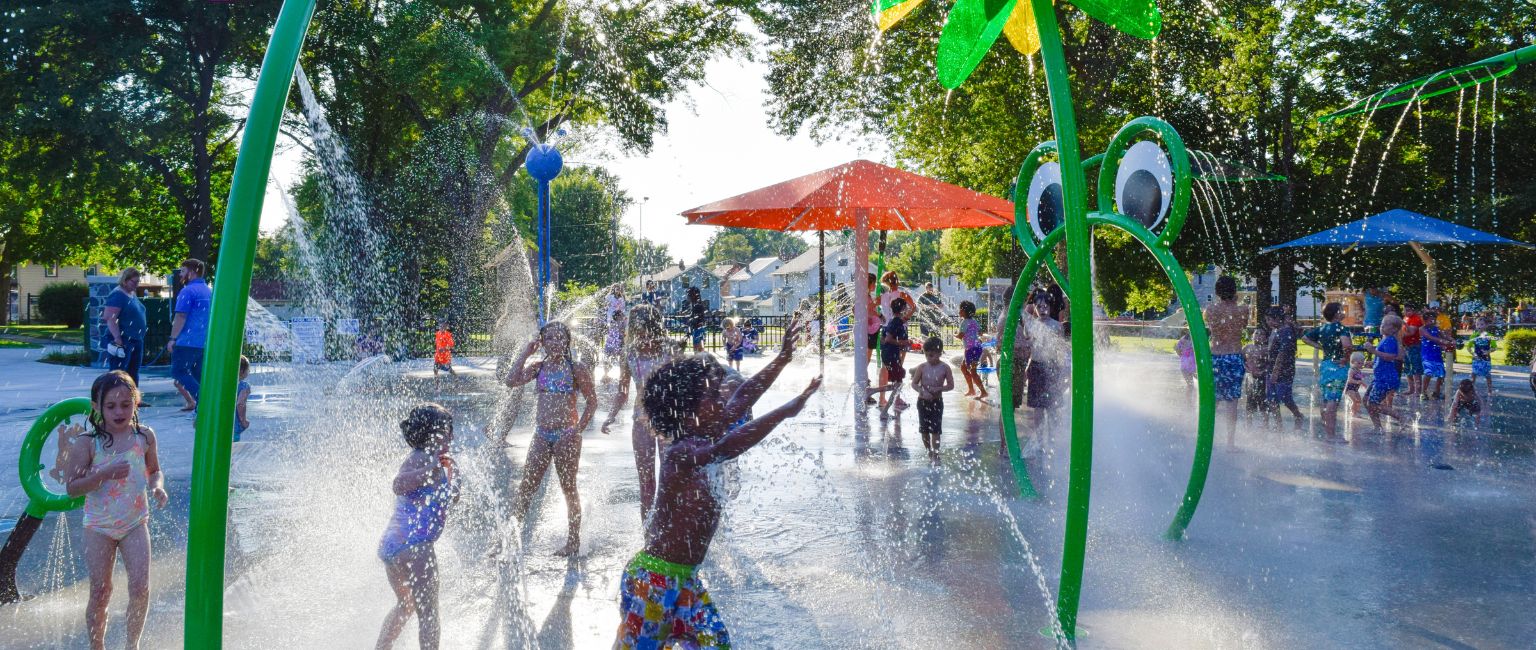
These trends show how aquatic play is evolving into something bigger than a place to stay cool. Splash pads are becoming wellness tools, climate response strategies, community gathering spaces, and inclusive destinations that invite everyone to play and enjoy.
Whether you are planning a fully water-smart splash zone, imagining a calming wellness retreat, or looking to transform an aging facility into something bold and new, keeping these trends top of mind will set your project up for long-term success.