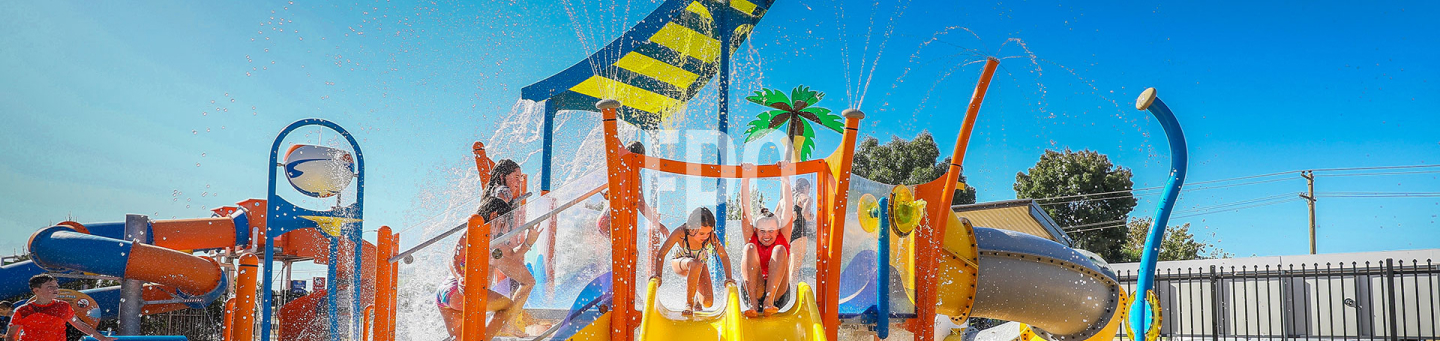
Leading Splash Pad and
Water Park equipment manufacturer & supplier
We're passionate about play.
With over 30 years of aquatic innovation, we believe that bringing play to communities makes the planet more livable and socially just. With thousands of installations across the world, we’re excited to be a part of the movement toward a healthier, happier, global community by offering innovative aquatic play solutions designed for developing minds, thrill seekers, budding explorers, and the young at heart. Discover #theWaterplayDifference and join our movement to connect the world through play!
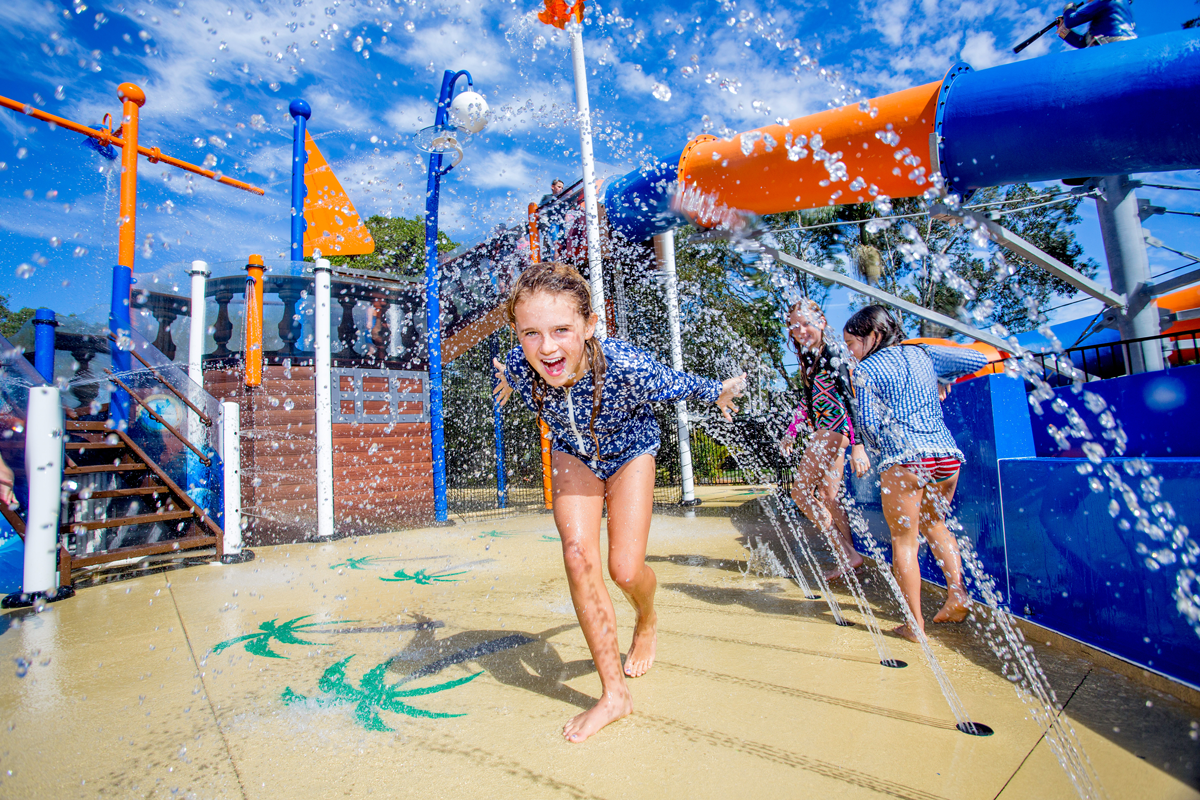
Learn more about our splash pad in Byron Bay, AUS, featured above!
Our Story
Our moment of inspiration was at the Expo ’86 World Fair in Vancouver, Canada. After seeing kids play in the UFO H2O fountain exhibit, our founders were inspired to create aquatic play features that would connect people through the joy of water. Today, we supply communities across the globe with aquatic play solutions manufactured at our headquarters in Kelowna, B.C. Our full suite of products include freestanding play structures designed to splash and spray, activity towers, urban features, and water management solutions. Our projects include aquatic facilities, community spaces, holiday parks, hotels and resorts, housing developments, water parks, and attractions.
Recent News:
Waterplay, the world’s most playful splash pad manufacturer, with global headquarters in Canada, has opened a new office in Sydney, Australia and brought a stellar Aussie team on board to bring more splashing fun to the region. Learn more here.
Check out our Featured Projects to see what we do!
We're a tiny piece of a bigger puzzle, but an important piece
Here's the rundown:
We’re a group of MAKRs and our purpose, our common goal, our passion, is to connect communities through play and social experiences. We do this through the group of companies that “makr” up the MAKR Group: Parkworks, Waterplay and Wekid Mfg.
Our companies are fuelled by joy and fun, and daily doses of laughter sprinkled between the serious work we do.
A recipe we think helps us do our job that much better. If you call us, we'll be helpful. If you laugh with us, we'll laugh with you because that's the way we like to do business. If you're looking for suits and ties and a corporate mentality, it's probably not Parkworks. But you'll be hard-pressed to find a more devoted, skilled, professional group or people to invest your time with.

Learn More about the MAKR Group.